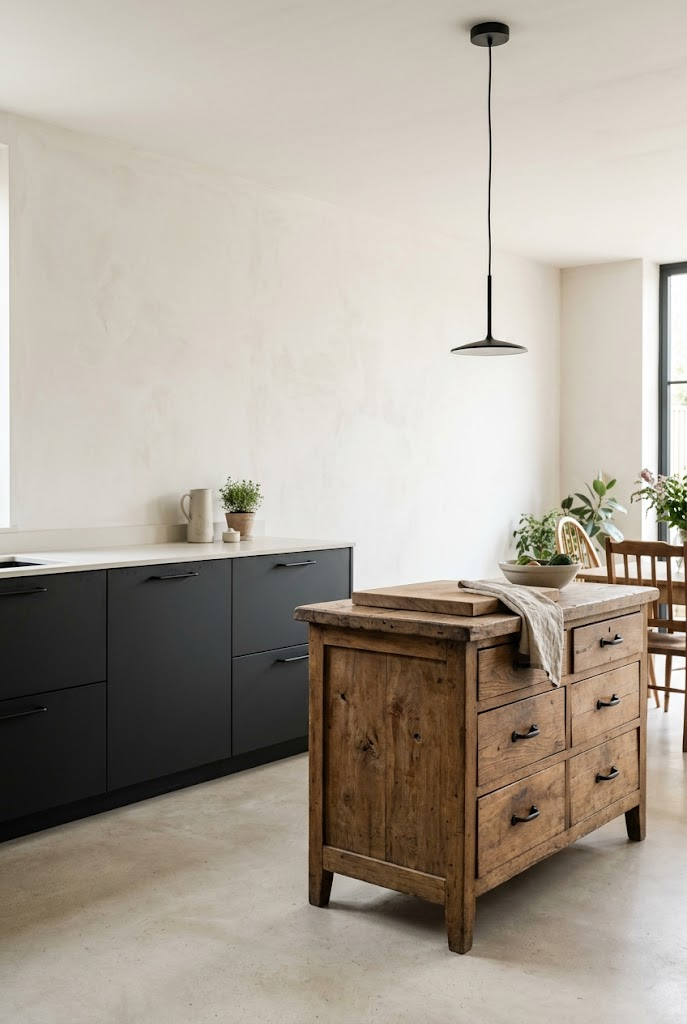
15 Genius Ways to Mix Vintage and Modern Decor Without Looking Cluttered
Combining antique heirlooms with sleek, modern furnishings is one of the most effective ways to build a character-rich home. However, blending eras often walks a fine line between curated sophistication and overwhelming visual clutter. When every object demands attention, room cohesion dissolves into chaos.
The secret to successfully pairing historical depth with modern minimalism lies in deliberate visual balance. Rather than treating vintage and modern as opposing styles, think of them as complementary elements: modern pieces provide clean lines and negative space, while vintage finds introduce soul, patina, and tactile interest. By understanding scale, establishing a unified color palette, and strategically placing focal points, you can curate a space that feels both thoughtfully collected over time and effortlessly clean. Here are 15 actionable design strategies to help you mix periods seamlessly without sacrificing clarity or space.
1. Establish an 80/20 Proportional Ratio

Achieving balance starts with a clear structural foundation. A proven interior design framework is the 80/20 rule: dedicate roughly 80% of your room’s elements to one primary style (usually modern for a clean, open feel) and 20% to the secondary style (vintage accents). This clear hierarchy prevents competing visual authority.
When modern furniture forms the dominant 80%, modern sofas, track lighting, and geometric rugs offer a quiet canvas. The remaining 20%—perhaps a 19th-century gilded mirror, a weathered wooden chest, or a Mid-Century lounge chair—becomes an intentional focal point rather than random noise. Reverse the ratio if your architecture leans historic, using modern silhouettes to ground period woodwork.
2. Unify Eras with a Strict Color Palette

Color acts as the ultimate equalizer when mixing centuries of design. A fragmented color scheme across varied styles quickly feels chaotic, but a strictly controlled palette instantly bridges the gap between a sleek contemporary sofa and a Victorian accent chair.
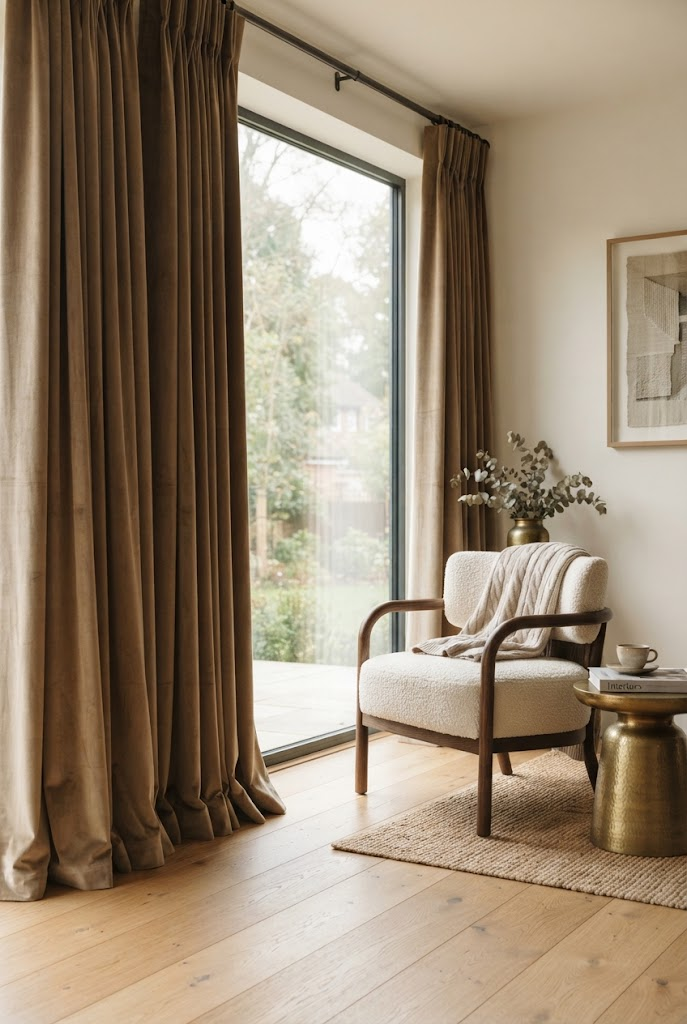
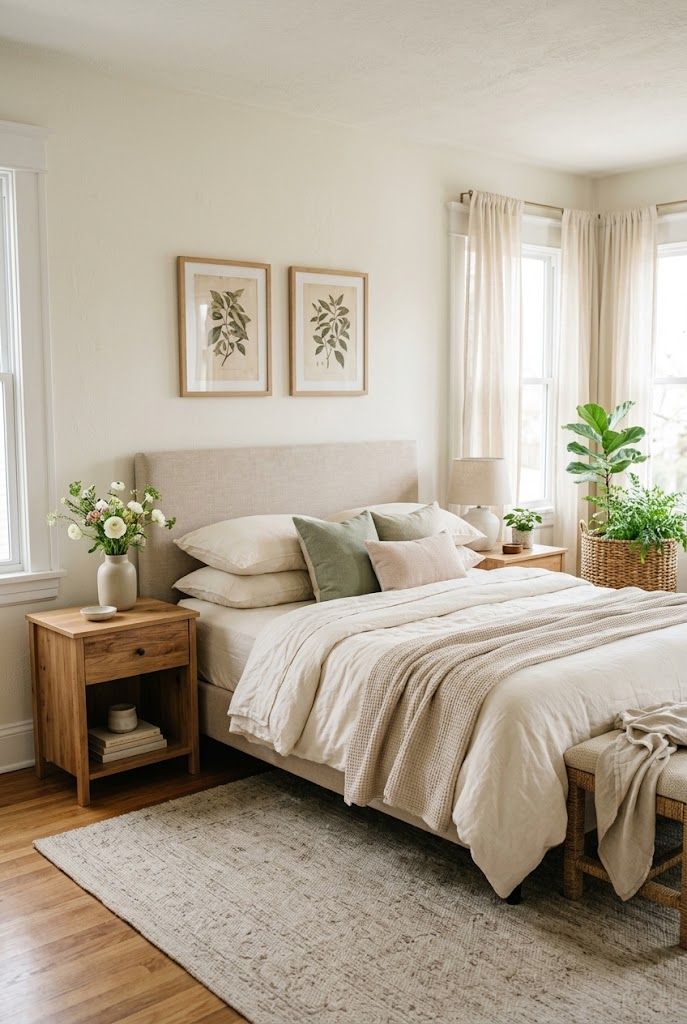
Choose three to four grounding colors—such as soft warm alabaster, deep olive, brushed bronze, and charcoal—and stick to them throughout the room. When a mid-century teak cabinet, a modern bouclé armchair, and an antique oil painting share identical tone values, the eyes process the space as a singular, cohesive environment rather than a collection of mismatched decades.
3. Anchor Vintage Art in Modern Frames
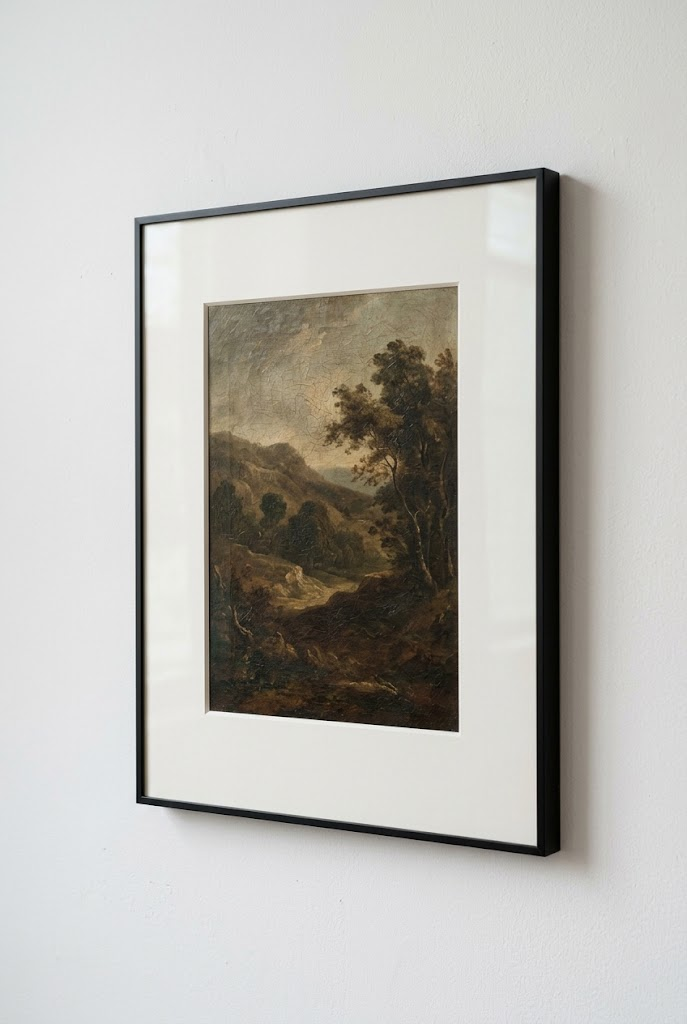
Historical artwork, oil portraits, and traditional sketches bring immediate narrative depth to a room. However, heavy carved wooden or elaborate gold frames can make artwork feel dusty or excessively formal when combined with modern surroundings.
Update traditional artwork by placing vintage oil paintings, antique botanicals, or architectural sketches into ultra-thin, sleek black, white, or acrylic modern frames. The contemporary frame acts as a clean border, stripping away visual weight while highlighting the historic brushwork inside.
4. Bridge Styles with Natural Wood Tones
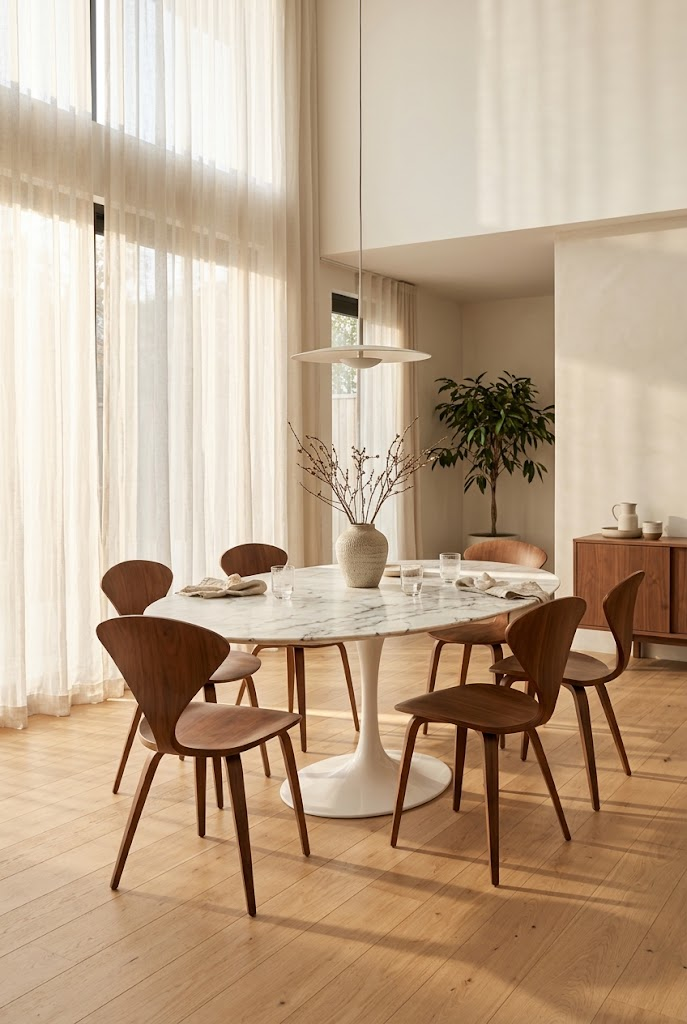
Wood surfaces naturally soften the sharp, synthetic lines of modern architecture and glass, making them ideal bridges between eras. The secret to avoiding clutter is keeping wood species and undertones harmonized.
Rather than matching every wood finish perfectly, aim for consistent warmth. Pair a sleek, white marble contemporary dining table with antique walnut dining chairs, or place a modern glass coffee table on an antique oak hardwood floor. The shared organic texture keeps the room grounded while allowing distinct structural silhouettes to shine side-by-side.
5. Harness the Power of Negative Space

The primary cause of visual clutter isn’t the items themselves—it is the lack of open space around them. Negative space acts as visual breathing room, giving ornate or patinated objects room to be appreciated without competing for attention.
When incorporating an intricate vintage piece, such as a carved antique dresser or a detailed brass chandelier, keep the immediate surrounding area empty. Leave several feet of clear wall space around a elaborate piece of antique furniture, or opt for a plain modern rug underneath a heavily detailed vintage table.
6. Contrast Structural Silhouettes

Pairing items with identical forms (e.g., all blocky contemporary cubes or all delicate curved antiques) creates a visually monotonous or overly fussy space. The most dynamic spaces pair sharp, geometric modern silhouettes against soft, sinuous antique forms.
Position a linear, boxy modern sofa alongside a rounded Victorian accent chair, or place an intricate oval antique mirror directly above a sharp-edged, rectangular modern console table. The structural contrast clarifies the identity of both pieces without adding physical items to the room.
7. Group Vintage Collectibles in Clusters
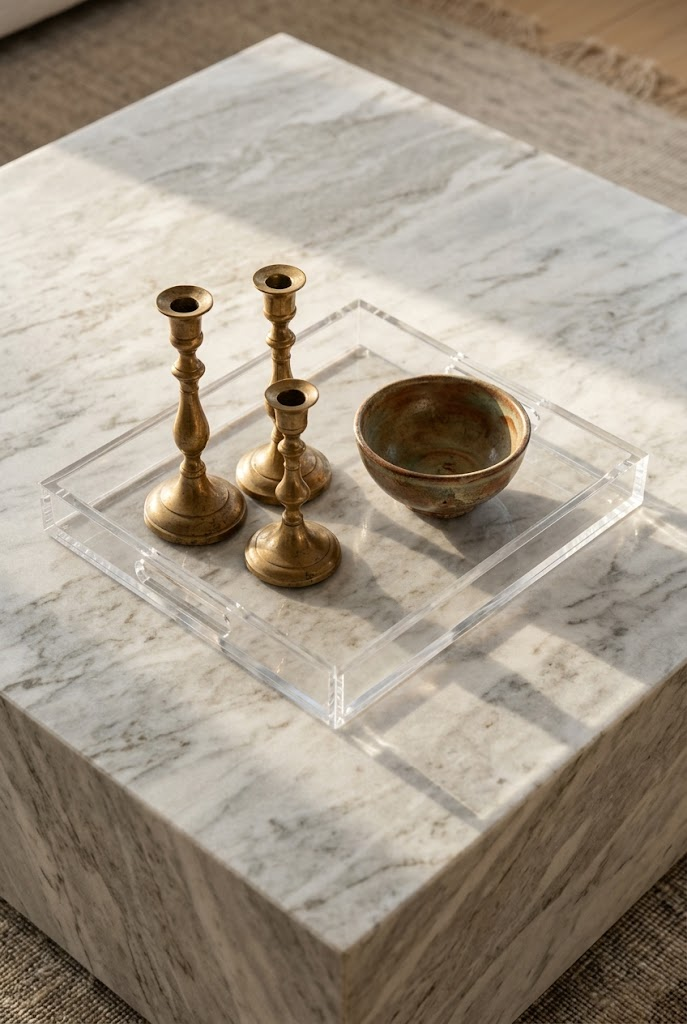
Scattering tiny vintage trinkets, small brass candlesticks, and antique teacups across every flat surface in a room instantly creates visual noise. Instead of spreading items out, use the design rule of grouping: consolidate small vintage objects into dedicated, singular clusters.
Gather three or five vintage brass objects on a sleek, clear acrylic tray on a coffee table, or arrange a concentrated collection of antique pottery exclusively inside a single modern glass-door cabinet. Grouping turns chaos into an intentional gallery exhibit while leaving remaining surfaces clear.
8. Layer Architectural Modern Lighting Over Vintage Hardware

Lighting serves as both a functional necessity and a dominant visual sculptor. Replacing dated light fixtures with bold, ultra-modern lighting is one of the fastest ways to modernize a room filled with historic architecture or antique furniture.
A sculptural contemporary brass ring chandelier hanging below classic 19th-century ceiling plasterwork instantly communicates design intent. Conversely, placing a modern minimalist LED arc floor lamp next to an antique upholstered sofa anchors the seating area, signaling that the space is designed for modern living.
9. Contrast Fabric Textures for Depth

Mixing decor styles requires tactile interest to feel cohesive. Smooth modern surfaces like brushed concrete, chrome, glass, and polished marble can feel cold on their own, while vintage velvets, distressed leathers, and heavy linens can feel heavy.
Layer contrasting textures across eras: drape a chunky contemporary knitted wool throw over a worn vintage leather chesterfield sofa, or pair an antique distressed velvet armchair with smooth modern lacquered side tables. The textural dialogue diverts attention from age discrepancies and focuses it on tactile richness.
10. Incorporate Oversized Vintage Statement Mirrors

Small, intricate vintage mirrors hung on small walls often look like misplaced clutter. However, scaling up to a large, floor-length antique gilded or distressed wooden mirror creates a dramatic visual anchor that expands room proportions.
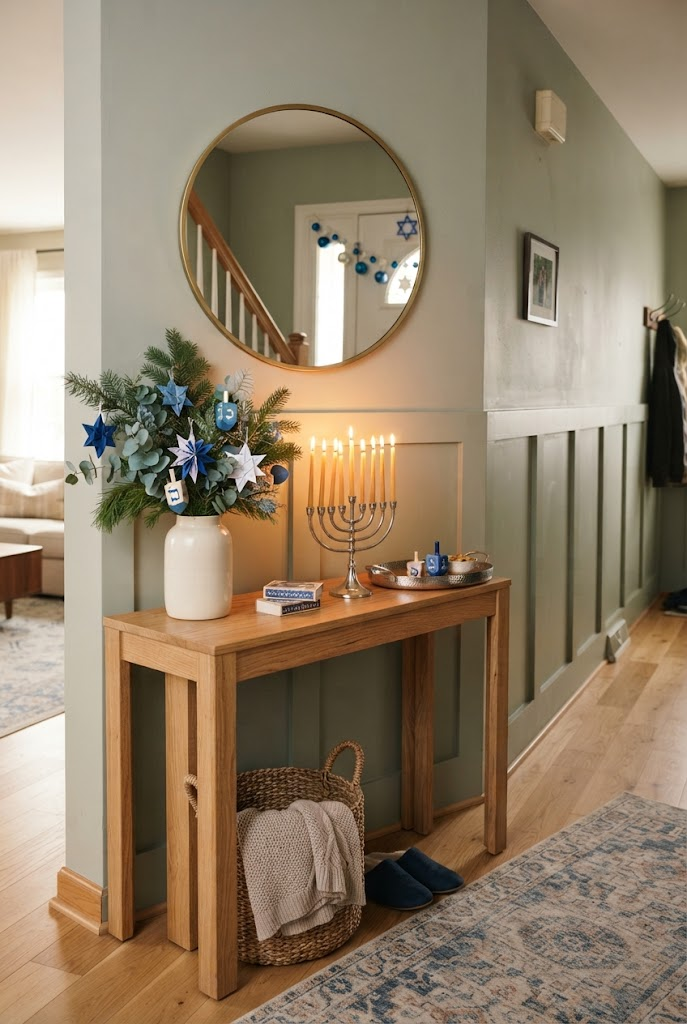
Lean an oversized vintage mirror directly against a plain contemporary wall. The expansive mirror glass reflects modern furniture, clean lines, and natural light, blending eras seamlessly in its reflection while providing an effortlessly chic focal point.
11. Pair Modern Abstract Art with Antique Furniture

Placing traditional art over traditional furniture creates an environment that feels like a museum display. To break up the historic weight, pair period-accurate antique furniture with bold, large-scale modern abstract canvas art.
Hang a minimal, high-contrast black-and-white abstract painting directly above a dark antique mahogany sideboard or chest of drawers. The clean, energetic brushstrokes of the modern art offset the formality of the historic wood carving, immediately balancing the room’s atmosphere.
12. Blend Modern Rugs with Antique Furniture (or Vice Versa)
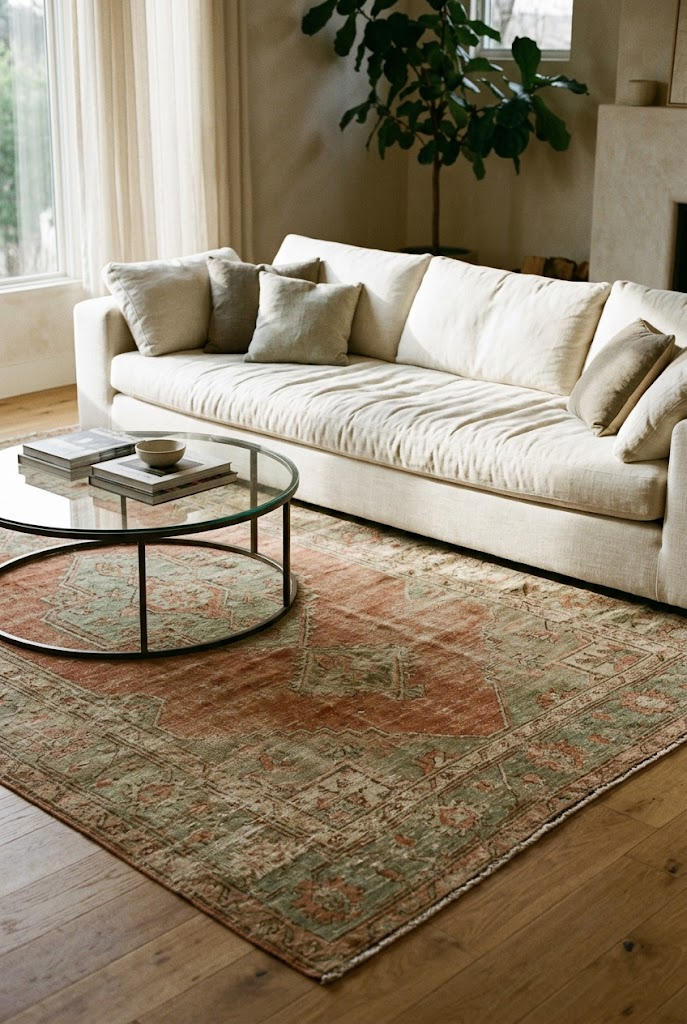
Floor coverings define room zones. Using a traditional vintage Persian rug underneath ornate vintage furniture can feel dense, while combining a modern rug with modern furniture can feel sterile. The key is swapping ground cover across periods.
Place a high-contrast geometric modern rug beneath a heavy, rustic antique wooden dining set. Alternatively, lay a faded, low-pile antique Oushak rug beneath a ultra-sleek contemporary low-profile sofa. The crossover anchors the room without feeling heavy-handed.
13. Reupholster Vintage Frames in Contemporary Fabrics

One of the most effective ways to preserve the craftsmanship of an antique chair while removing its visual age is custom reupholstery. Traditional velvet florals, brocades, or jacquards can be replaced with clean, unexpected modern textiles.
Reupholster a vintage Louis XV armchair or a Mid-Century frame in a contemporary cream bouclé, a crisp graphic stripe, or a bold solid linen. Retaining the hand-carved wooden frame while updating the seat fabric creates a custom hybrid piece that fits perfectly into a modern interior.
14. Keep Built-In Cabinetry Modern and Minimal

When displaying vintage accessories, pottery, or books, keep the supporting architectural cabinetry as simple as possible. Intricate, traditional millwork paired with crowded vintage items quickly causes visual overload.
Opt for flat-panel, frameless modern built-in shelving with clean lines and hidden hardware. The sleek, unobtrusive shelving acts as a quiet backdrop, allowing your collected antique books, vintage ceramics, and historic glassware to be viewed with clarity.
15. Standardize Hardware Accents
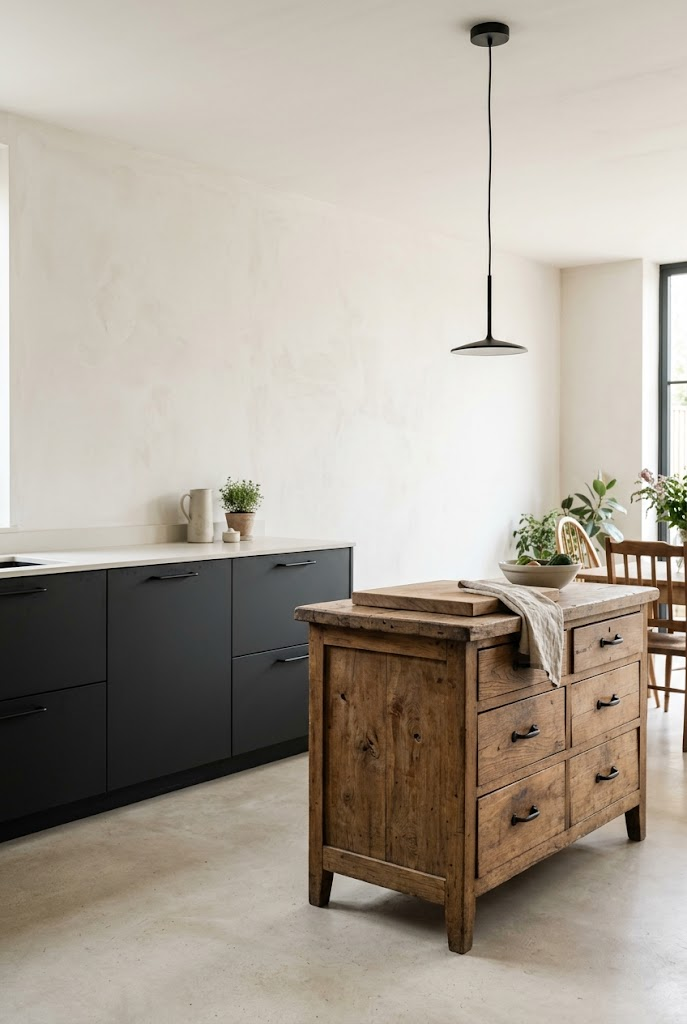
When mixing furniture from different periods, metal finishes can quickly become chaotic if too many varieties compete in the same sightline (e.g., polished chrome, shiny brass, antique bronze, and dark iron).
To prevent a cluttered feel, select one dominant metal finish to repeat across both modern and vintage items, accompanied by at most one accent metal. For instance, if you choose matte black, use black hardware on modern cabinets, a black floor lamp, and select vintage items with dark iron details. This shared metallic element weaves subtle visual consistency throughout the space.